In this auspicious occasion, we are delighted to delve into the intriguing topic related to Kazakhstan: A Tapestry of Regions. Let’s weave interesting information and offer fresh perspectives to the readers.
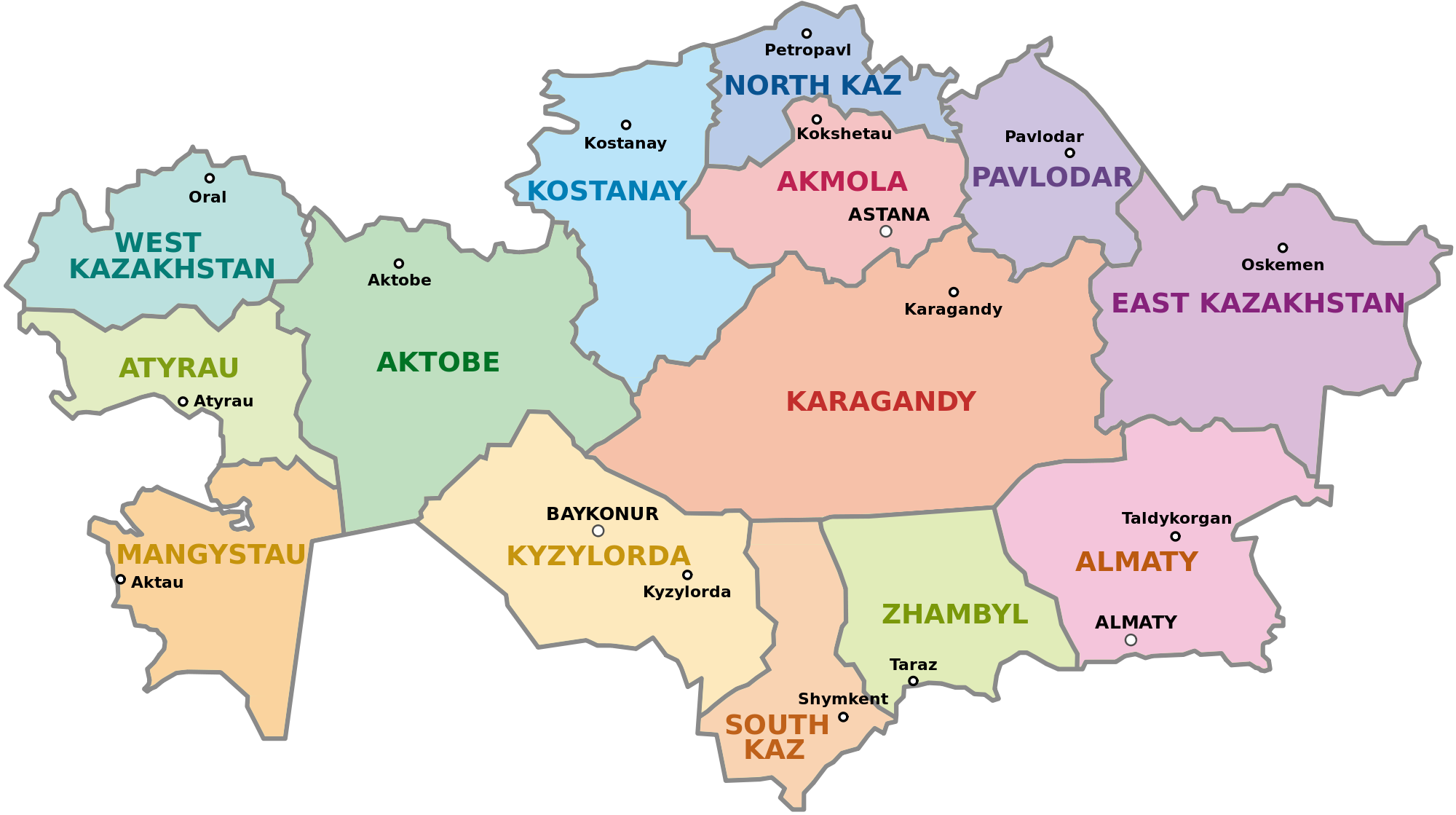
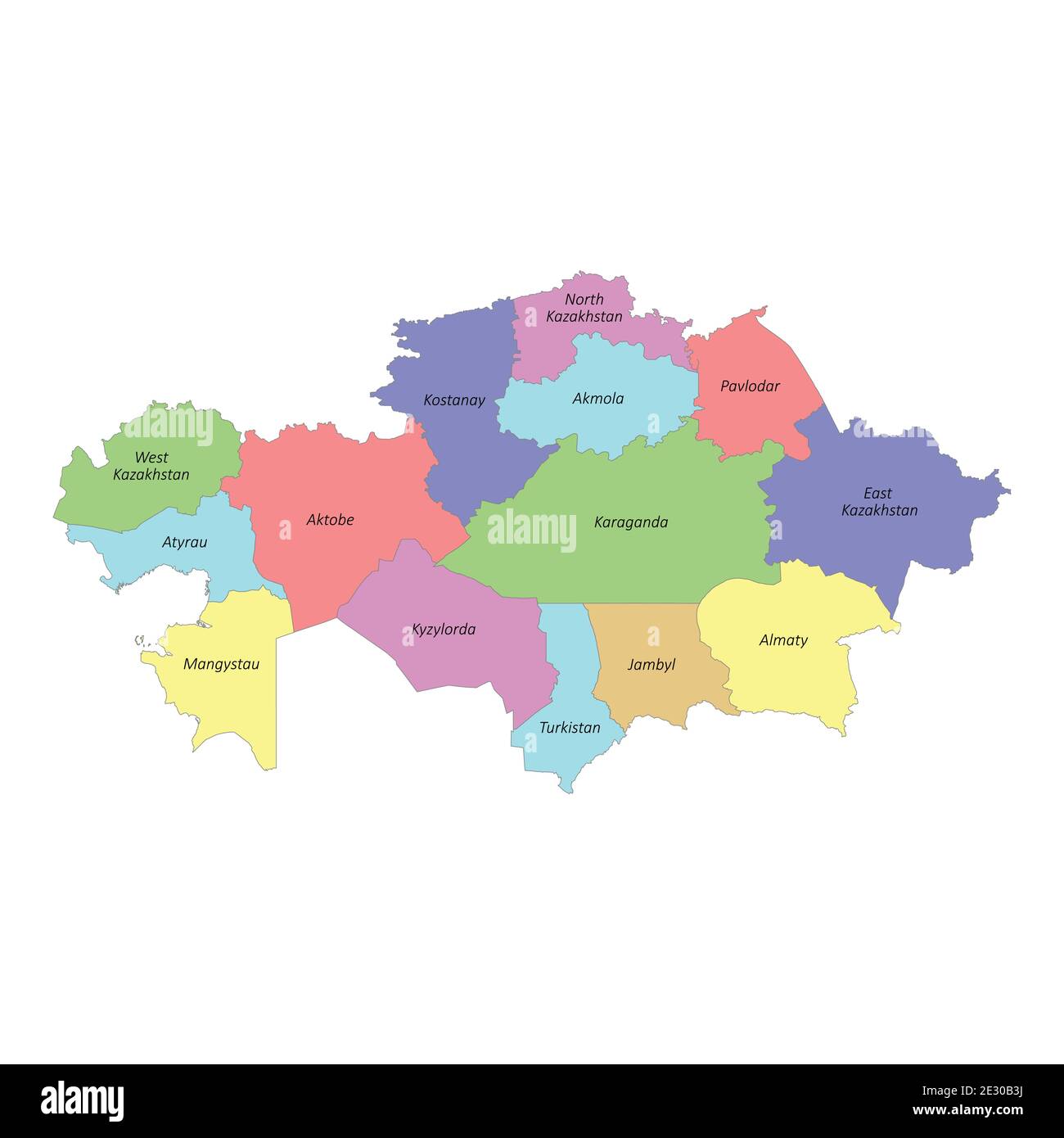
Kazakhstan, the largest landlocked country in the world, stretches across a vast expanse of Central Asia, encompassing diverse landscapes and rich cultural heritage. The country’s administrative division, encompassing 14 regions and three cities of national significance, reflects this diversity. Understanding the regional map of Kazakhstan provides a valuable lens through which to appreciate the country’s unique character, its economic potential, and its cultural tapestry.
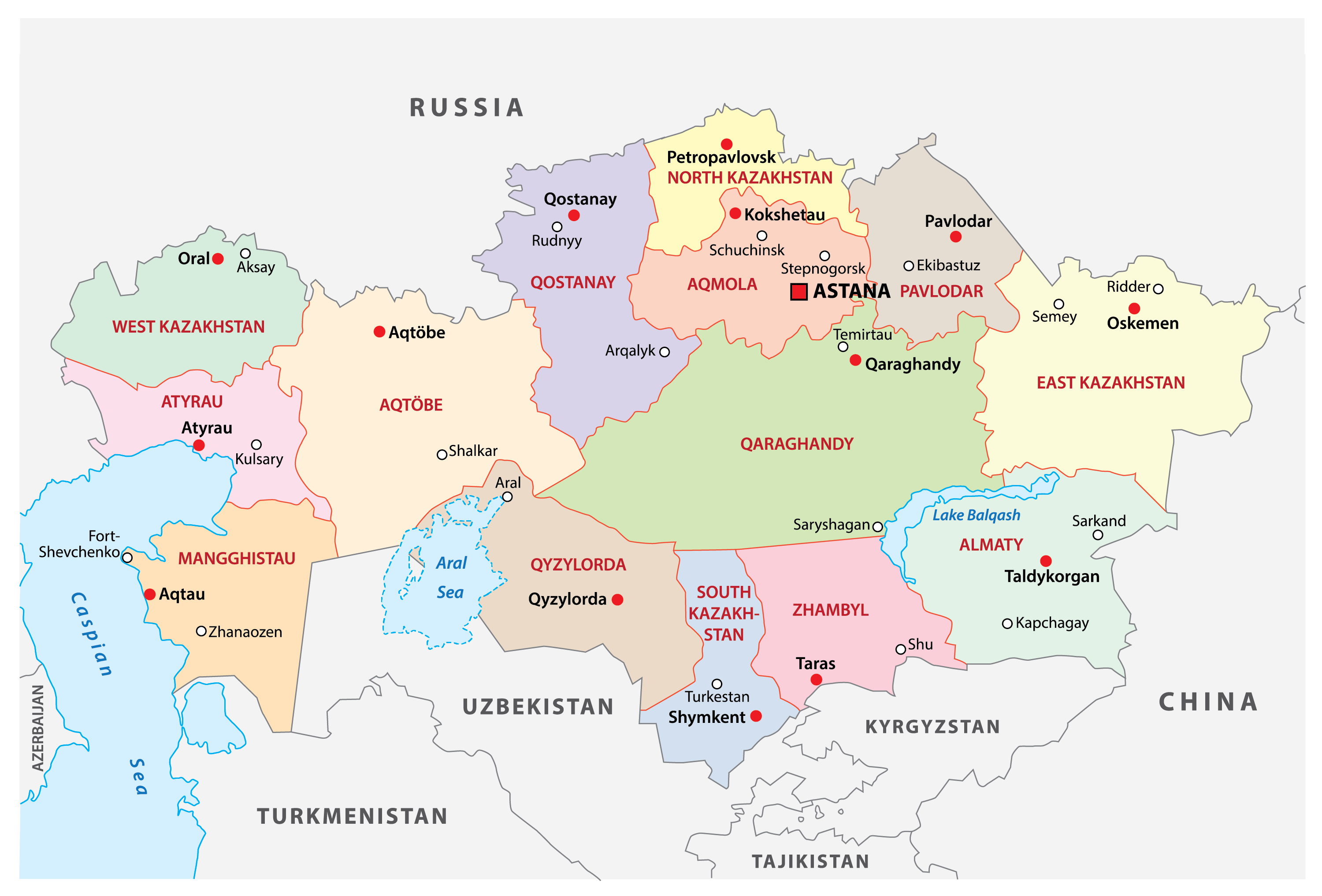
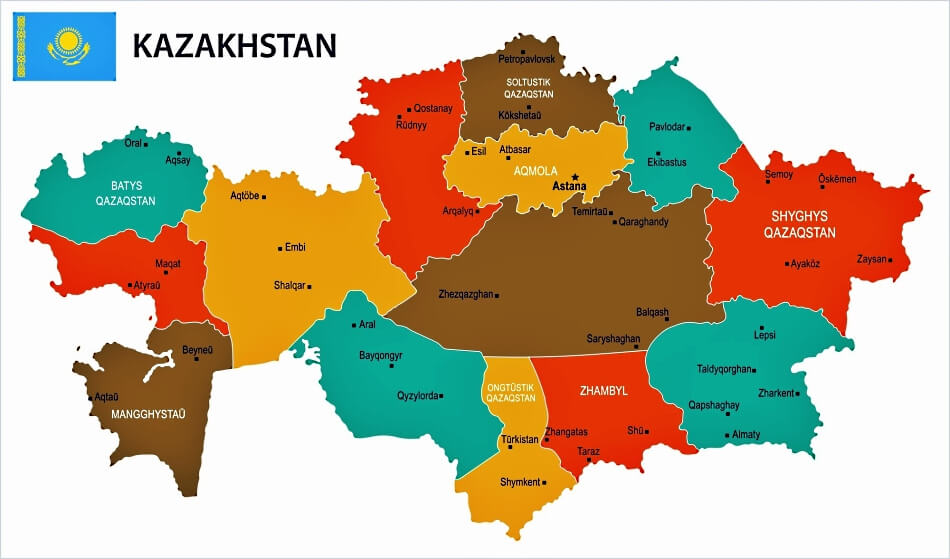
Kazakhstan’s regional map is a testament to the country’s geographical and cultural diversity. From the snow-capped peaks of the Tian Shan mountains in the south-east to the vast steppes of the north, each region boasts unique characteristics:

Northern Kazakhstan: Characterized by fertile black earth soil, the north is a major agricultural hub, known for wheat production, cattle breeding, and oil and gas resources. The region is home to the historical city of Petropavlovsk, a cultural center with a vibrant history.
Western Kazakhstan: This region is dominated by the vast and arid Caspian Sea lowlands, with significant oil and gas reserves. The city of Aktobe, a major industrial center, is a prominent feature of the region.
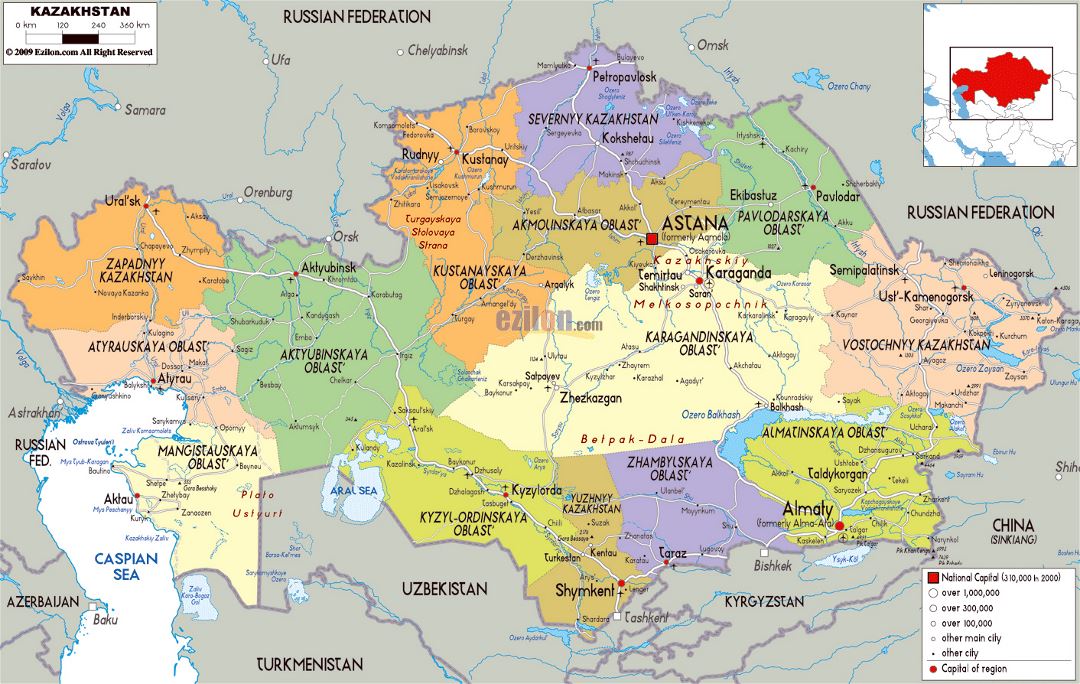
Central Kazakhstan: The heartland of Kazakhstan, this region is home to the capital city, Nur-Sultan, and the former capital, Almaty, both vibrant cultural and economic centers. The region is also known for its vast steppes, where nomadic culture has thrived for centuries.
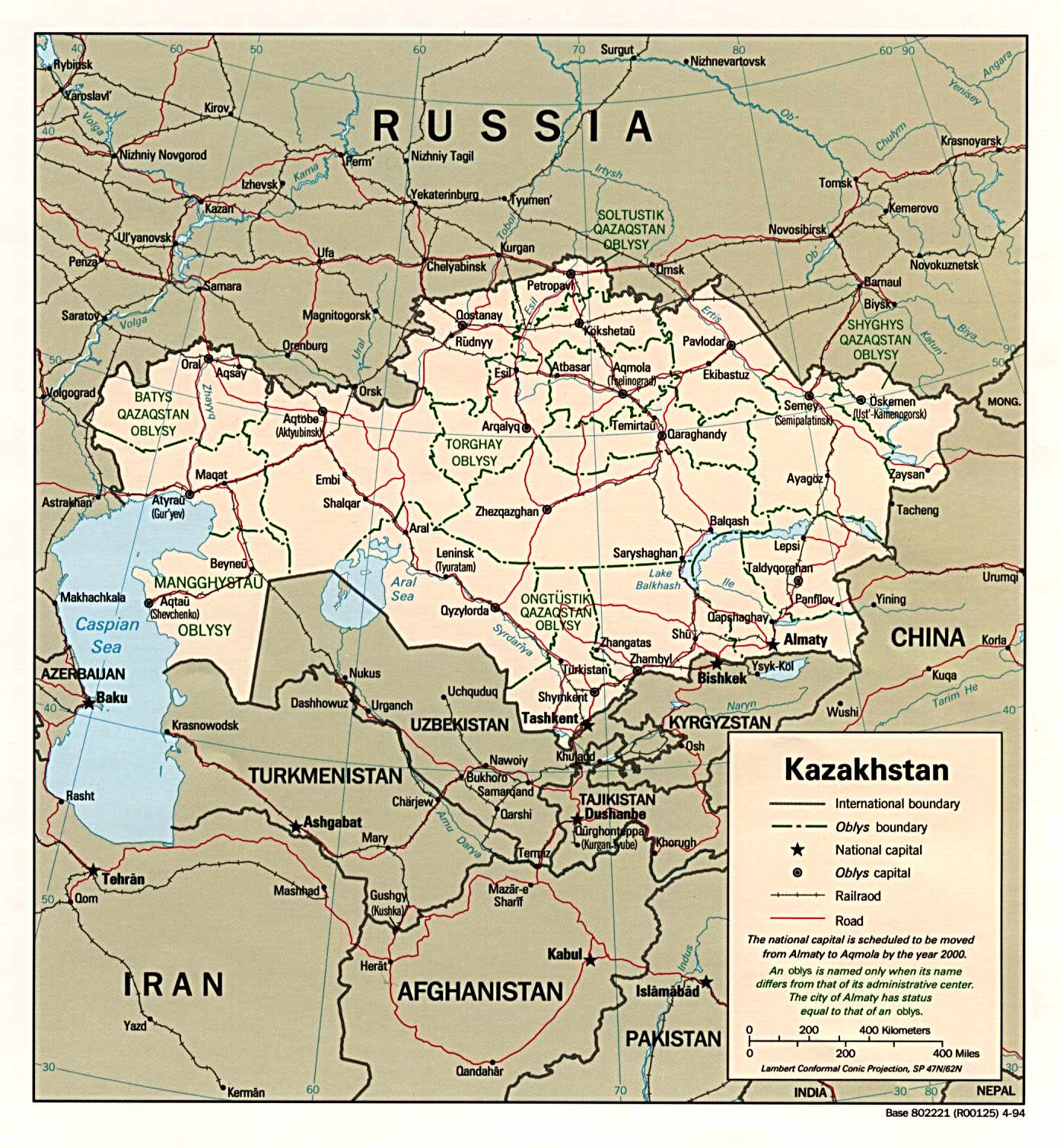
Eastern Kazakhstan: This region is characterized by the majestic Altai Mountains, offering breathtaking scenery and mineral resources. The city of Ust-Kamenogorsk, with its rich history and industrial significance, is a prominent feature.
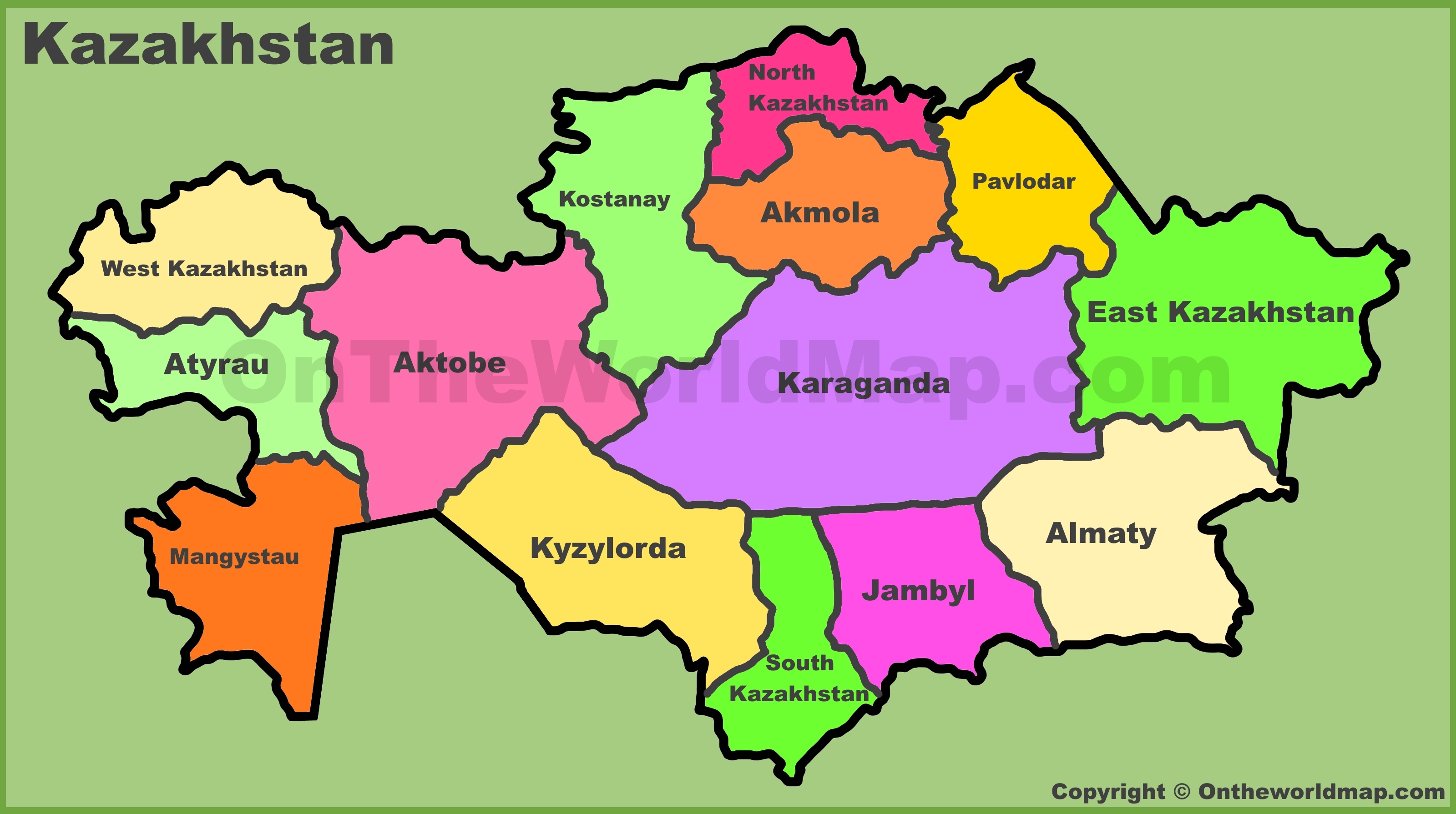
Southern Kazakhstan: Home to the Tian Shan mountains, the region boasts stunning natural beauty and a thriving agricultural sector. The city of Shymkent, a major economic hub, is known for its vibrant culture and historical significance.
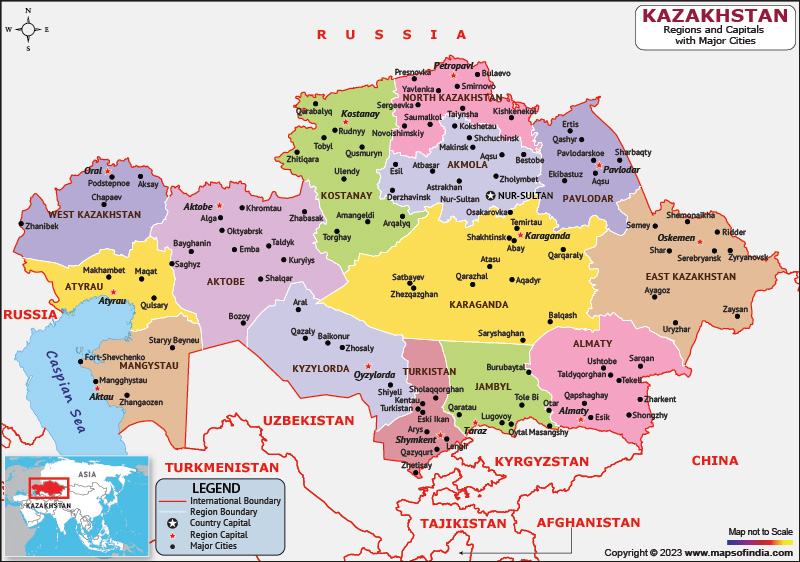
The regional division of Kazakhstan plays a crucial role in the country’s governance, economic development, and cultural preservation.
Efficient Administration: Dividing the country into regions allows for more efficient administration, with local governments responsible for addressing regional needs and challenges. This decentralized approach fosters local ownership and promotes a more responsive governance system.
Economic Development: Each region possesses unique resources and economic potential. By focusing on regional development strategies, Kazakhstan can leverage these strengths to drive economic growth and create new opportunities. This approach promotes diversification and reduces reliance on a single sector.
Cultural Preservation: Recognizing the cultural diversity of each region is crucial for preserving Kazakhstan’s rich heritage. Local communities play a vital role in safeguarding traditional languages, customs, and artistic expressions, contributing to a vibrant and inclusive national identity.
Northern Kazakhstan: Discover the historical charm of Petropavlovsk, explore the vast steppes, and experience the region’s agricultural heritage.
Western Kazakhstan: Visit the Caspian Sea coast, explore the oil and gas industry, and experience the unique cultural traditions of the region.
Central Kazakhstan: Immerse yourself in the vibrant culture of Nur-Sultan and Almaty, explore the historical sites, and experience the beauty of the Kazakh steppes.
Eastern Kazakhstan: Discover the breathtaking scenery of the Altai Mountains, explore the region’s mineral resources, and experience the rich cultural heritage of Ust-Kamenogorsk.
Southern Kazakhstan: Explore the stunning beauty of the Tian Shan mountains, discover the region’s agricultural potential, and experience the vibrant culture of Shymkent.
A: The largest region in Kazakhstan is Pavlodar Region, covering an area of 124,800 square kilometers.
A: The highest population density is found in Almaty Region, with a population of over 2.2 million people.
Kazakhstan’s regional map is a testament to the country’s rich diversity, offering a unique perspective on its geography, culture, and economic potential. Understanding the regional division allows for a deeper appreciation of the country’s complexities and the interconnectedness of its different parts. By exploring the regional map, travelers can embark on a journey of discovery, experiencing the vibrant tapestry of cultures and landscapes that define Kazakhstan.
Thus, we hope this article has provided valuable insights into Kazakhstan: A Tapestry of Regions. We appreciate your attention to our article. See you in our next article!
Your email address will not be published.